XERXES Lattice
A human knowledge world on top. A governed modular object system underneath.
This website is the product demonstration
XERXES Lattice is not a pile of webpages with a search box attached. Every public article begins as a governed knowledge object with a stable ID, declared provenance, relationships, cognitive lenses, source references, and machine-readable representations. The visual wiki is one way to experience that object.
Read it like a magazine. Verify it like a paper. Traverse it like a graph. Query it like a database.
Why a Lattice instead of another wiki?
Pages are useful. Stable objects, provenance, declared relationships, machine representations, and human pathways make the knowledge survive the page.
ENTER →Systems Literacy
Learn the reflex behind the architecture: trace state, signals, boundaries, ownership, measurement, and failure.
ENTER →Civilization Design
A founder frame for coherence, simplicity, beauty, efficiency, maintainability, and foundations strong enough for frontier systems.
ENTER →Technical Lineage
UNIX, BSD, Linux, NetWare, BeOS, telephony, radio, optics, acoustics, biology, hacker culture, workstations, and hardware.
ENTER →Founder publications // inspect the thinking, not just the pitch
XERXES Lattice now exposes the founder’s major essays and research monographs as source-preserved, illustrated, modular knowledge objects. Read them as publications; inspect them as evidence-governed system artifacts.
The Work We Never Needed to Do
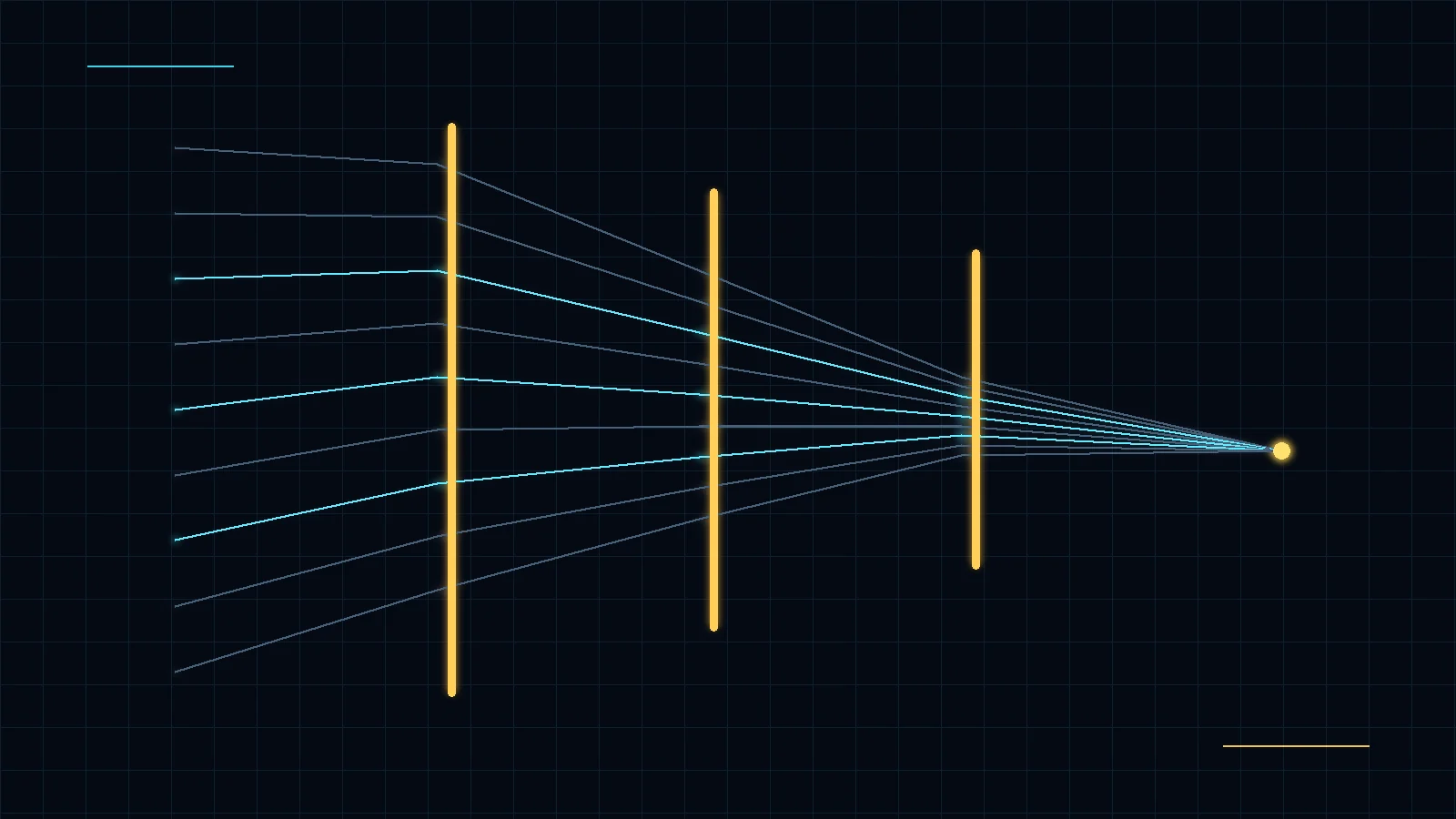
A systems-history essay on graphics, translation, specialization, deferred rendering, runtime adaptation, and the central XERXES SI question: how much expensive computation can be proven unnecessary before it begins?
ENTER →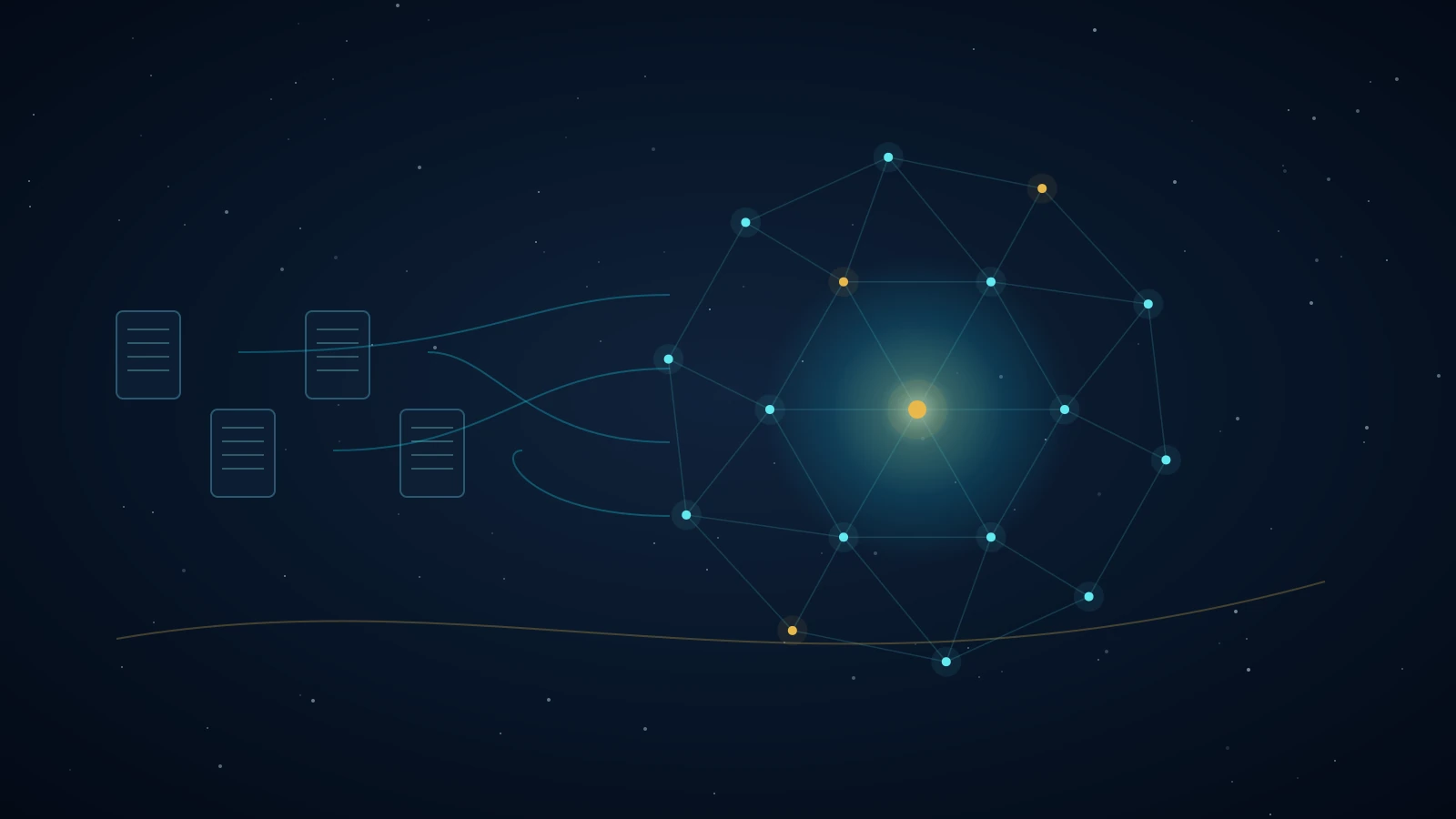
The Lattice Was Never A Wiki
Why XERXES Lattice is designed as a machine-readable epistemic interface—with identity, provenance, claims, relations, revisions, and multiple representations—rather than a conventional content archive.
ENTER →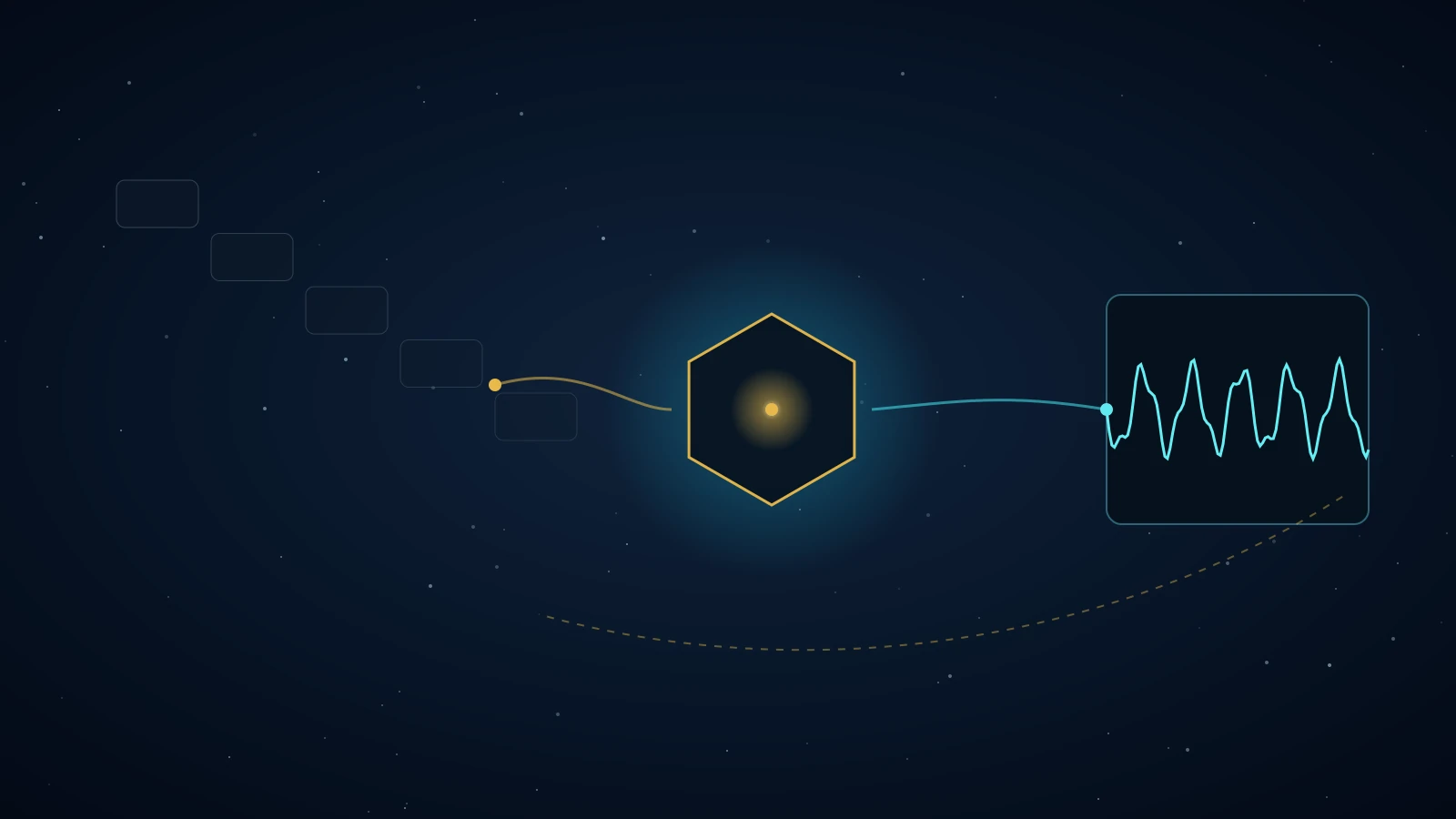
The Experts Who Would Have Stopped The Machine
A founder argument for evidence, experiments, falsifiability, competition, and advisers who can update when measured results contradict inherited assumptions.
ENTER →
A Weekend With Python Does Not Make You Steve Jobs
The difference between making a prototype work and building a complete production system that survives users, security, accessibility, deployment, operations, governance, and maintenance.
ENTER →
Clean Systems Win
A case for opening the box, understanding the substrate, preserving institutional memory, and converting hard-won lessons into standards that make every subsequent system cleaner.
ENTER →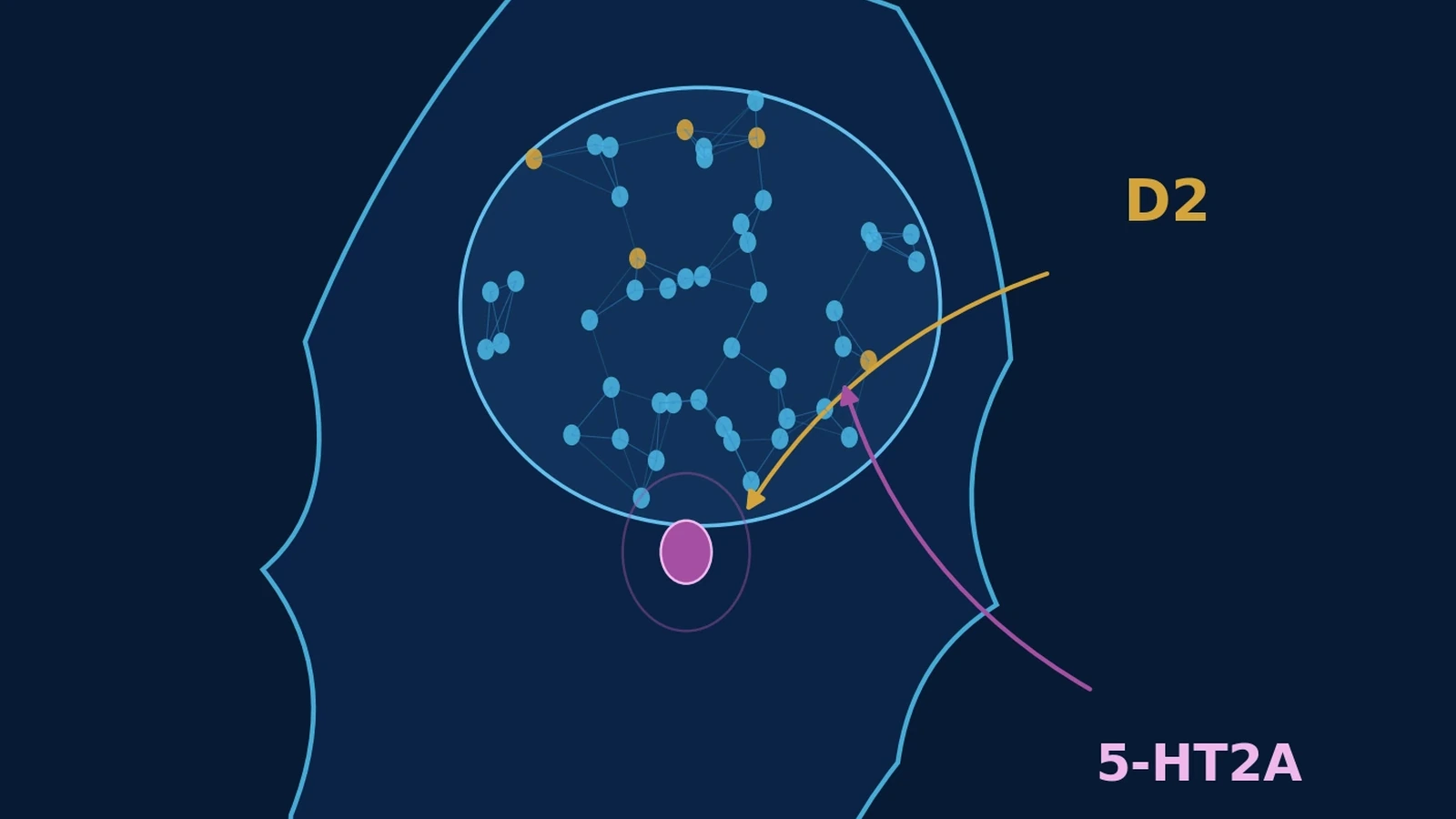
Beyond D2
A falsifiable research monograph separating established receptor pharmacology and patient-safety evidence from a proposed 5-HT2A/D2-D3 systems hypothesis in dopamine-agonist treatment.
ENTER →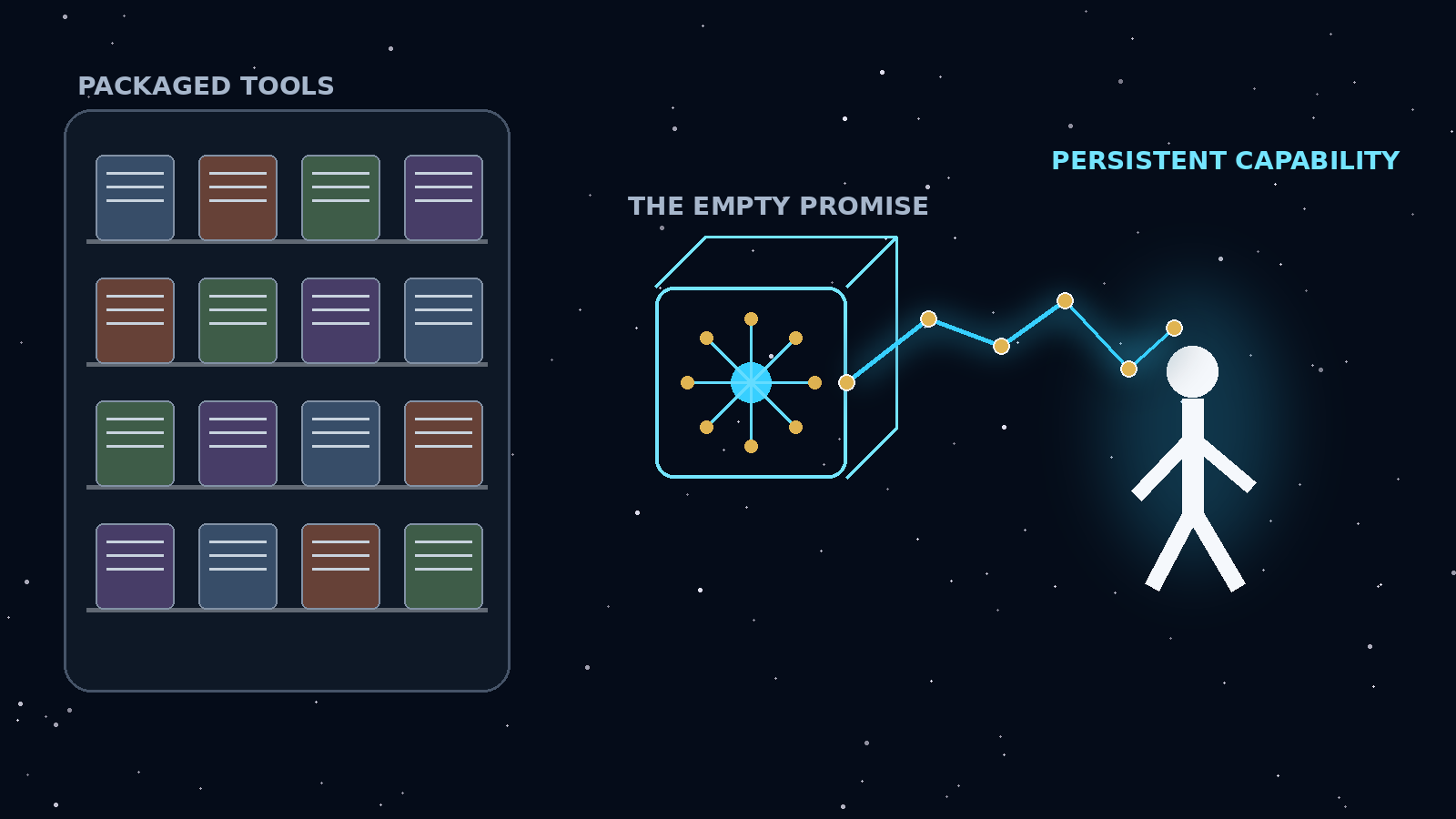
There Was Never an Expert in the Box
Why packaged software historically sold tools rather than expertise—and why persistent intelligence may shift computing from feature delivery toward intent, contextual teaching, institutional memory, trustworthy action, and human capability formation.
ENTER →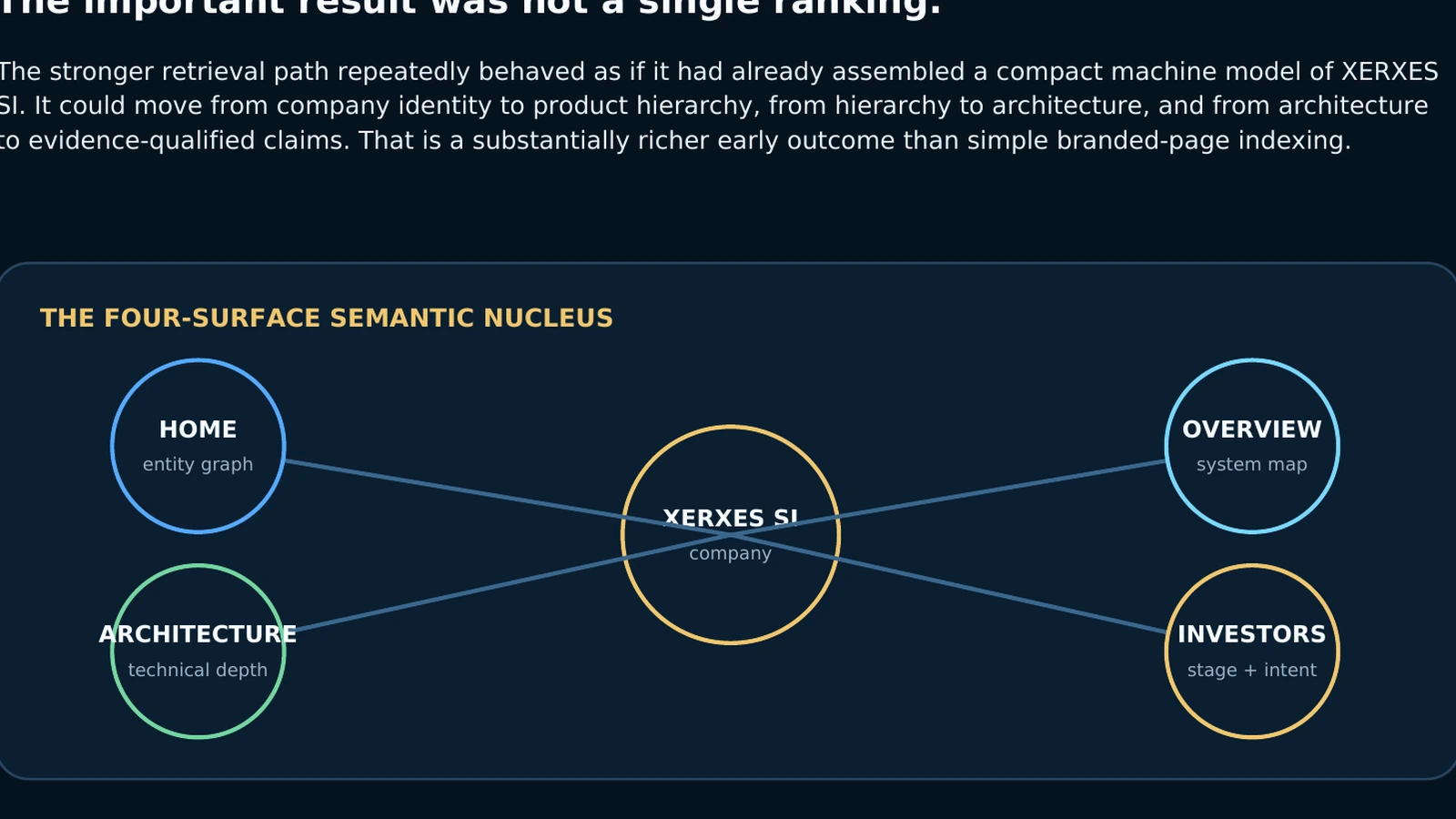
Data Points Proof of Concept
A source-preserved benchmark report on first-day semantic formation: repeated four-surface recovery, architecture-level passage retrieval, product-graph reconstruction, evidence-status preservation, and explicitly scoped control comparisons.
ENTER →The proposition is simple: if the architecture is worth taking seriously, its reasoning should survive inspection.
Why the Lattice matters
Most websites publish pages. Most databases store records. Most knowledge graphs are difficult for ordinary readers to inhabit. XERXES Lattice is designed to keep one canonical knowledge object coherent across all three worlds.
For an investor or technical evaluator, the important signal is not the number of pages. It is that the publishing system behaves like an engineered substrate: canonical data first, multiple representations second, human experience and machine utility improving together.
XERXES SI in sixty seconds // company → platform → intelligence → products
The Lattice is a public knowledge surface of XERXES SI. It exists to make the company’s vocabulary, architecture, products, demonstrations, standards, and technical lineage easier to understand without flattening them into one marketing page.
XERXES SI
The company building synthetic-intelligence systems and the product family around them.
ENTER →XERXES SIDE
Synthetic Intelligence Development Environment: the governed environment in which the architecture and production systems are developed.
ENTER →XERXES
The core synthetic-intelligence architecture: structured cognition and synthetic neurons, with external models used when appropriate rather than required for basic operation.
ENTER →Brain Design Studio
A flagship environment for designing, visualizing, inspecting, and working with the synthetic architecture.
ENTER →Dash X
A functioning product tied back to the larger XERXES SI/SIDE architecture and development story.
ENTER →XERXES Lattice
This site: the human-and-machine authority web that turns company knowledge into governed, traversable objects.
ENTER →The past is not decoration // it is a test bench for the future
Historical images are locally cached only when licensing and provenance are explicit. Decorative interface icons are repository-governed inline SVG. Every informative image carries alt text, caption, creator, source, and license.
,_exhibited_at_Living_Computer_Museum_in_Seattle,_USA_(edited_image_without_background).jpg)
PDP-11/70 // the machine beneath the abstraction
A DEC PDP-11/70, representative of the hardware lineage on which early UNIX matured and a useful reminder that operating-system ideas began under visible physical constraints.

OpenBSD // security culture made visible
An OpenBSD 7.0 desktop: visually spare, operationally explicit, and representative of a project culture that treats documentation, auditing, correctness, and secure defaults as one system.

BeOS // coherent performance culture
The BeOS identity marks a system remembered for multimedia ambition, pervasive multithreading, and unusually coherent interaction design.

Novell NetWare 2.0 // networks arrived in boxes
NetWare 2.0 packages make an older network era tangible: protocols, server software, clients, installation media, manuals, permissions, and administration were part of one visible operational system.

Laser optics // alignment is architecture
An Idaho National Laboratory optics bench. The physical path is visible: source, alignment, surfaces, losses, measurement, correction, and destination.
UNIX foundations
Why comprehensibility and composability still matter.
OPEN SOURCE ↗NETWORKexternal sourceNovell NetWare
Identity, permissions, protocols, and network administration before cloud vocabulary.
OPEN SOURCE ↗SIGNALexternal sourceTelephone infrastructure
Switching and signaling as a civilization-scale control-plane lesson.
OPEN SOURCE ↗PHYSICSexternal sourceLaser + optics
Alignment, loss, feedback, and measurement made visible.
OPEN SOURCE ↗Enter through something familiar
A wiki is familiar. That is useful. XERXES Lattice keeps the familiar doorway—search, pages, links, references—while the system underneath models entities, claims, evidence, provenance, context, perspective, affect, and machine-readable relationships.
Pages are a representation. Knowledge is the architecture.
manuals, shell access, physical media
broadband, hosting, open-source maturity
cloud scale, APIs, orchestration
evidence, inspectability, agent-readable knowledge
knowledge that survives its interface
The Authority Web // leave no important relationship implicit
The Lattice is designed to send readers outward to neutral references and project-native documentation, then inward to XERXES mechanisms, evidence, demonstrations, products, and investor context. External sources are context bridges—not decorative link counts.
Neutral orientation
Fast historical and categorical context before the founder lens.
OPEN SOURCE ↗OPEN DOCSdocs.freebsd.orgProject-native depth
Handbooks, wikis, manuals, and methodologies from the communities being discussed.
OPEN SOURCE ↗XERXESexternal sourceMechanism → evidence → demo
Every important XERXES claim should lead to the official product, architecture, evidence, or demonstration surface.
OPEN SOURCE ↗Choose a way in
Architecture that can be rebuilt
Reproducibility, declared variants, modularity, object contracts, and development environments that preserve intent.
ENTER →Operating systems as engineering cultures
FreeBSD, OpenBSD, OpenSSH, Slackware, Debian, documentation, defaults, release discipline, and administrator expectations.
ENTER →Method before theater
OSSTMM lineage, evidence, attack-surface thinking, explicit boundaries, and hardware-rooted trust where it earns its place.
ENTER →Curiosity with a memory
2600-era openness, experimentation, systems literacy, and the obligation to understand the machinery rather than merely consume it.
ENTER →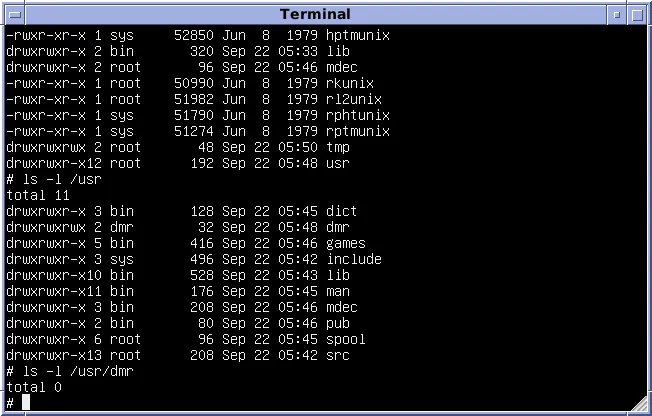
Follow the work before the mythology
A deliberately restrained founder profile tied to technical lineage, operating history, demonstrated systems, and explicit provenance.
ENTER →Perspective is part of the data
Recommended Cognitive Lens, Affective Flow, Contextual Cognitive Reconstruction, and multi-lens synthesis for future intelligent systems.
ENTER →Rebuild, don’t perform a séance
Hosting discipline, server reproducibility, explicit ownership, rollback, clean packaging, and infrastructure that behaves like a system.
ENTER →Freedom, completeness, and declared choices
GNU/free-software ideas, Debian commitments, Unix plurality, and a founder preference for explicit variants over silent diminution.
ENTER →Foundation Before Echelon // why the archive is here
The historical layer is not decoration. It is a research instrument for asking which ideas should survive the technology that first expressed them.
Build from composable foundations
AT&T/Bell Labs lineage, PDP-era constraints, interfaces, legibility, and the founder-reported UNIX artifact.
ENTER →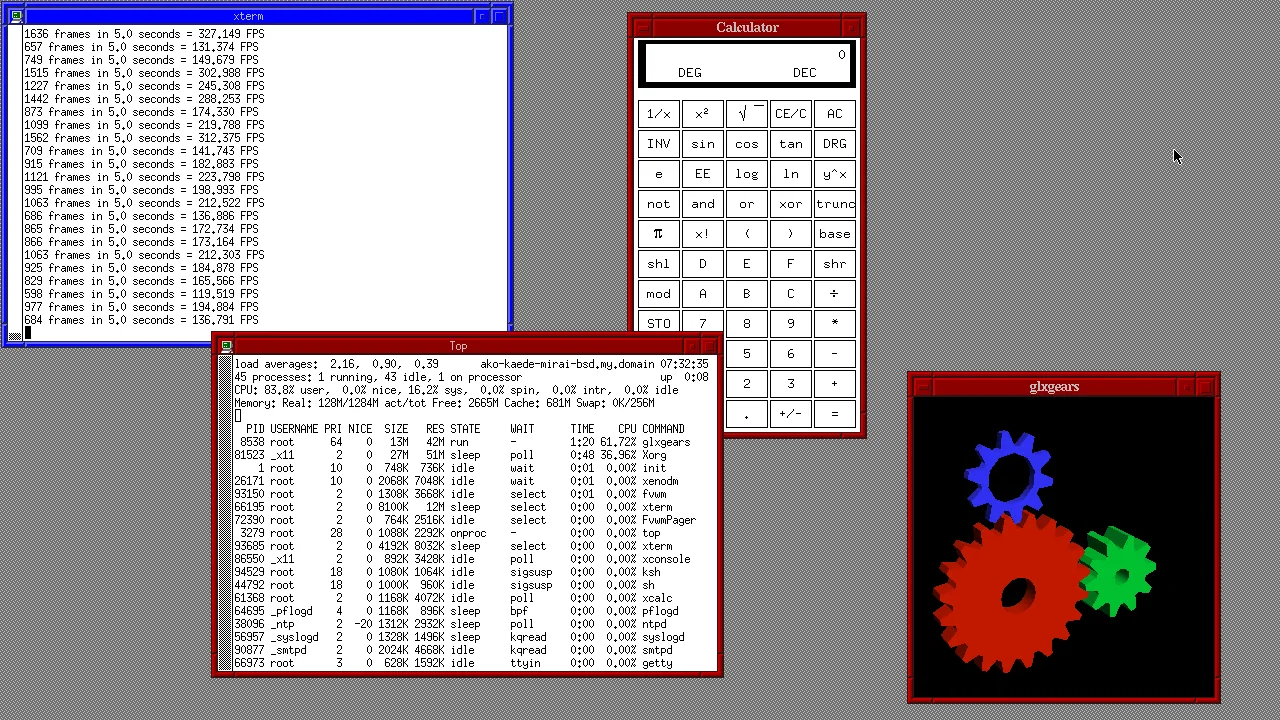
OpenBSD + OpenSSH
Readable source, audit culture, secure remote administration, documentation, and conservative defaults.
ENTER →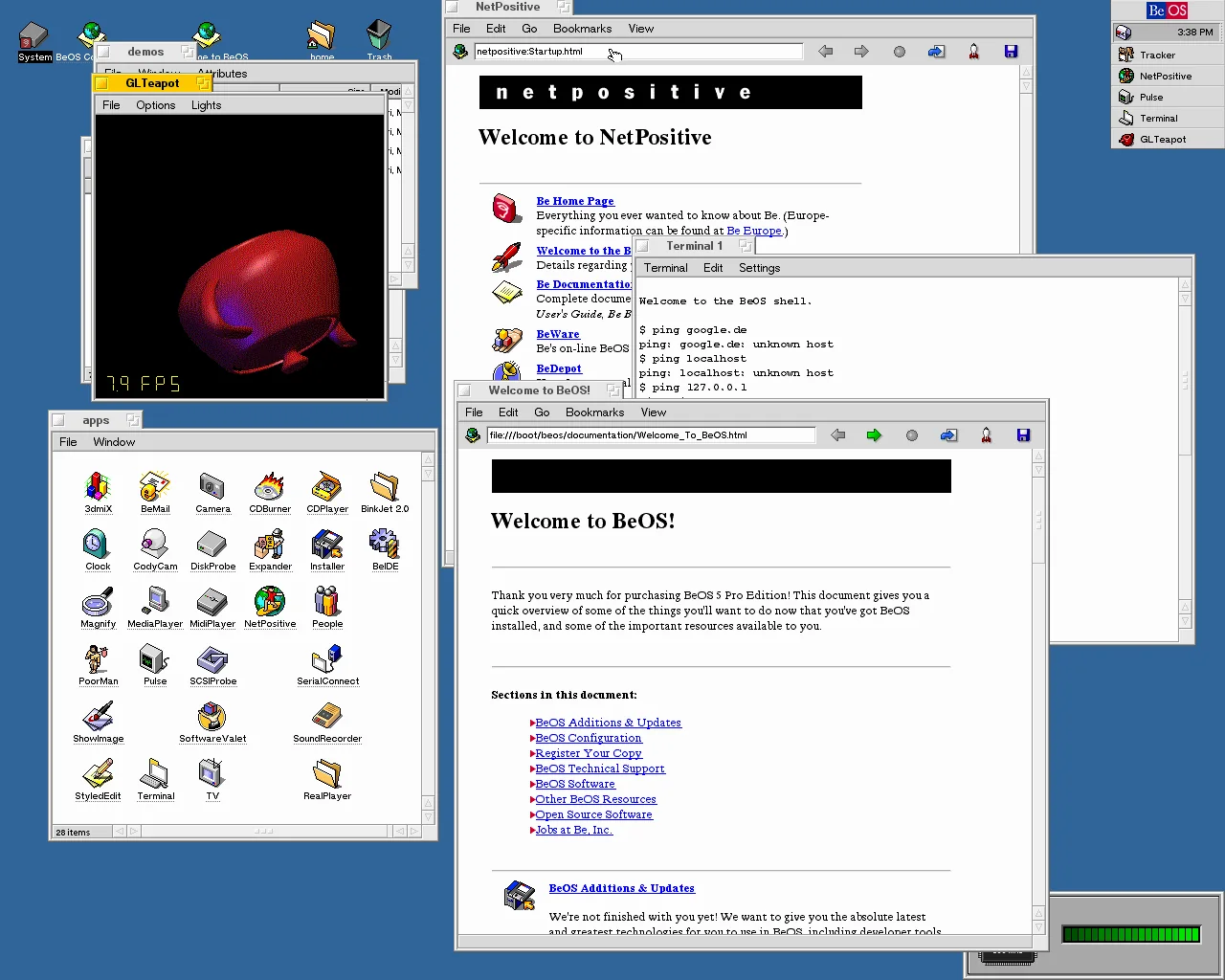
BeOS
Responsiveness, multimedia, multiprocessing, and proof that mainstream architecture was never the only possible path.
ENTER →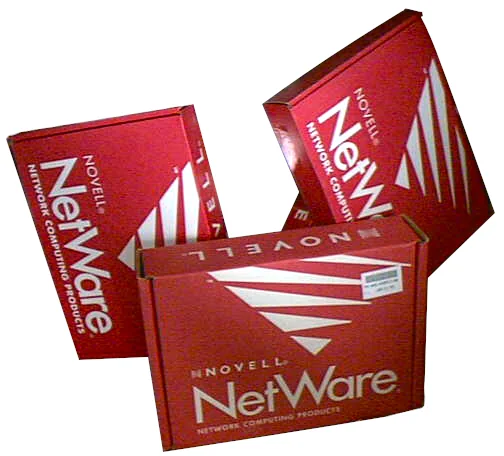
Novell NetWare
Shared services, protocols, identity, compatibility, and administration made visible.
ENTER →Radio / audio / optics
Noise, path, timing, metrology, transduction, and human reception across different physical media.
ENTER →Cloning & biological information
Replication is not identity; state, differentiation, environment, and ethics remain part of the system.
ENTER →Study the past far enough back that the future cannot trick you into believing foundational problems disappeared just because the interface became beautiful.
Memory Bay // old instincts, current hardware
Recognition, not cosplay. Historic cues appear only when they illuminate a current engineering value.
Technical lineage // a living archive
Slackware
Unix-like simplicity, explicit administration, and the dignity of knowing what the system is doing.
LINEAGE →Debian
Policy, packaging, public commitments, and reproducibility as social and technical infrastructure.
LINEAGE →FreeBSD
A complete operating system, integrated documentation, jails, ZFS, Ports, and long-horizon systems engineering.
LINEAGE →OpenBSD / OpenSSH
Security culture, correctness, audit, sane defaults, and infrastructure that became ordinary because it was useful.
LINEAGE →Catalogs, CD-ROMs & mirrors
The distribution era made software discovery physical, abundant, and strangely joyful. The modern analog is a provenance-rich knowledge index.
ARCHIVE →Workstation culture
NeXT, OPENSTEP, BeOS and the recurring idea that environment design can be as strategic as the application built inside it.
ARCHIVE →Founder signal // identity withheld, work public
The founder’s identity remains intentionally restrained. The Lattice publishes the technical lineage, founder-reported history, operating principles, and evidence boundaries first. A serious reader gets something more useful than a personality page: a trail.
That trail runs through early networking education, programming before high school, hosting operations, free-software and Unix/BSD/Linux culture, security methodology, hacker-community curiosity, academic relationships, resource-conscious hardware research, and a persistent belief that an environment should encode how an organization thinks.
Personal relationships and historical anecdotes are labeled founder-reported, independently sourced, withheld, or unresolved. Mystery never gets permission to become a false claim.
Source artifacts // real objects, real provenance

Small compute, visible constraints
A Raspberry Pi 3: a useful reminder that architecture has memory, thermal, power, and cost consequences.

The workstation as a coherent instrument
A NeXTcube: hardware, operating environment, development model, and presentation conceived as one system.

Constraint made storage legible
A 3.5-inch floppy disk: tiny by current standards, but excellent at making size, naming, installation, recovery, and distribution impossible to ignore.