
Reproducible Modular Workflow
A machine should be rebuildable. A release should be explainable. A module should know its boundary.
Professional does not mean bureaucratic
The problem with “garage” engineering is not that great things cannot begin in a garage. The problem is when a system can only be reproduced by the person who remembers which machine was touched in which order.
I want the speed of a small team and the release discipline of people who know they may have to rebuild the whole thing at 3:00 a.m. without folklore.
The invariants
- inventory before modification
- stable IDs and interfaces
- small modules with explicit ownership
- deterministic or reproducible packaging where feasible
- cryptographic manifests
- checkpointed deployment
- operator approval before destructive changes
- live verification before declaring success
- rollback thinking before mutation
- documentation stored outside public payload unless intentionally published
Why the Lattice is object-first
The wiki is currently backed by version-controlled JSON knowledge objects because that makes review and provenance transparent. Public URIs do not encode the storage engine. A later SQLite, PostgreSQL, RDF, or graph database can implement the same store interface without changing the knowledge identity.
Keep exploring // human pathways
Continue through adjacent ideas, products, principles, and historical lineages. These pathways preserve the relationships in the underlying knowledge graph while keeping exploration natural for a human reader.
Debian was announced in 1993 and developed into a community-maintained operating system with unusually explicit project governance, packaging conventions, and documentation.
CONTINUE →lineageFreeBSDFreeBSD descends from the Berkeley Software Distribution tradition and maintains an integrated base system plus ports/packages, extensive documentation, and an explicitly permissive project mission.
CONTINUE →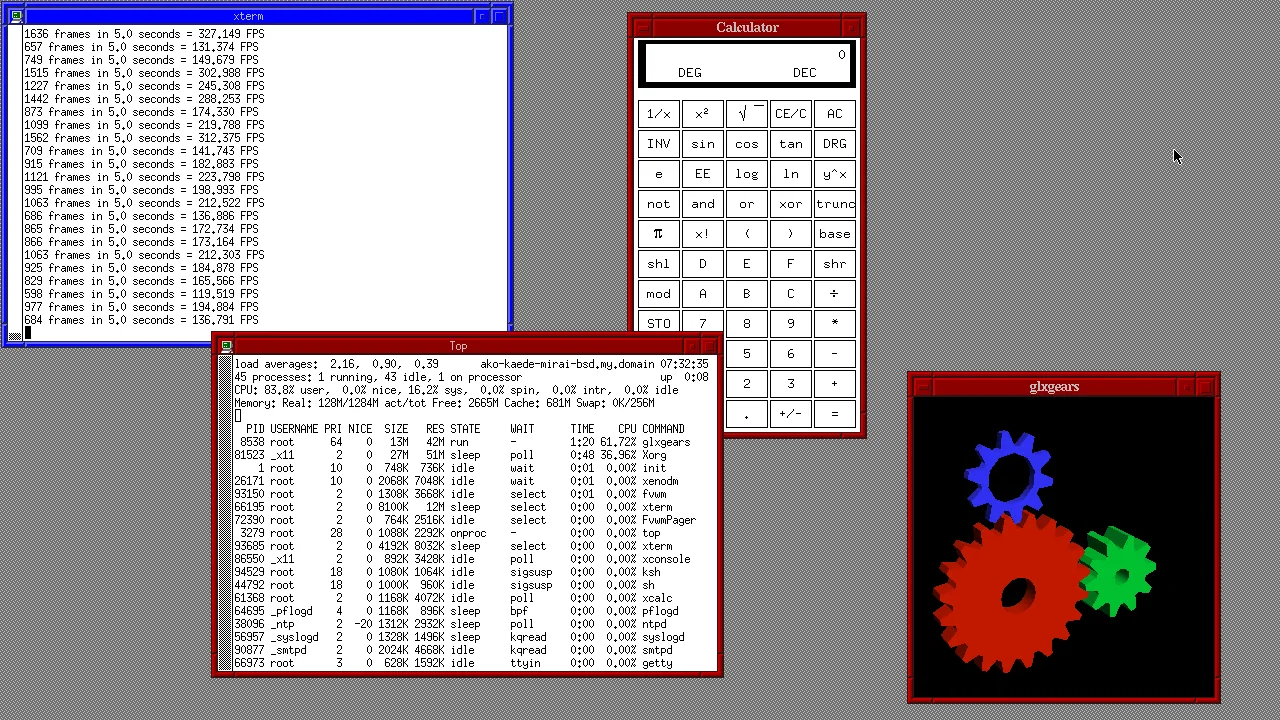 lineageOpenBSD + OpenSSH
OpenBSD and OpenSSH demonstrate how correctness, readable source, conservative design, secure defaults, documentation, and licensing discipline can become one engineering culture rather than separate compliance tasks.
CONTINUE →lineageSlackware LinuxSlackware began in 1993 and became known for a conservative development model, straightforward Unix administration, and reluctance to replace stable components without a compelling reason.
CONTINUE →