XERXES Lattice
The wiki is what you see. The Lattice is what knows.
What you are looking at
This site is not a mock-up of the Lattice. It is the Lattice’s public rendering path: governed objects become a visual wiki for humans and structured representations for machines.
Icons and source imagery are not a parallel content system. They are properties and registry entries attached to the same modular objects, so presentation can become richer without breaking the data contract.
A working product, not a deck
This release is a functioning R&D implementation generated from canonical knowledge objects. The build produces human HTML, Markdown, JSON-LD, search data, copy/citation tools, stable IDs, internal navigation, source bridges, media provenance, sitemap output, and an independently tested SQLite migration path.
The release is locally built and regression-tested as software. Live public deployment is a separate operator-controlled action and is never inferred from source state.
A publication surface, not a database dump
The Lattice treats human reading as a first-class representation. A knowledge object can be structured enough for software while still giving a person hierarchy, imagery, context, provenance, useful actions, and a reason to continue exploring.
Read
Editorial hierarchy, concise definitions, deep sections, imagery, captions, and related pathways turn object records into readable knowledge.
ENTER →Verify
Sources are presented where they matter, media carries provenance beside the image, and claims retain explicit status rather than borrowing certainty from layout.
ENTER →Reuse
Readers can copy section text, copy stable links, share a section, copy Markdown, or open machine representations without losing canonical identity.
ENTER →Traverse
Relations and shared concepts become human pathways, so discovery follows the knowledge graph instead of ending at the bottom of a page.
ENTER →This is the central product proposition: the canonical object is durable; HTML, Markdown, JSON-LD, search, share actions, media, and future interfaces are projections around it. The page can become dramatically better without turning the knowledge model into a pile of page-specific exceptions.
Human-readable is not a compatibility mode
A machine-readable knowledge system fails its public mission if humans experience it as a database dump. XERXES Lattice therefore treats typography, narrative breadth, images, icons, related-object pathways, source context, and visual hierarchy as first-class representations of the same governed knowledge.
- Inline repository-governed SVG icons inherit the interface palette and remain decorative to assistive technology.
- Informative historical media is cached locally only with explicit creator, license, source URL, caption, and alt text.
- Every article ends with generated human pathways derived from tags, relations, and governed fallbacks.
- Source cards name the source domain and visually distinguish external evidence from internal navigation.
- HTML, Markdown, and JSON-LD remain generated from the same object rather than being separately authored drift surfaces.
The human/machine contract
The same object should be pleasant to read, useful to cite, easy to navigate, and precise enough for software to consume.
- Human pages provide hierarchy, narrative, visuals, context, and related reading.
- Markdown provides portable long-form text.
- JSON-LD preserves identity, type, citations, relations, lenses, media, and sections.
- Search data and sitemaps expose discovery surfaces without duplicating canonical identity.
- Media is copied locally only when provenance and reuse terms are explicit.
- The visual layer can change without rewriting the underlying knowledge object.
What changes when the page stops being the database
canonical knowledge object
  ├─ human HTML
  ├─ portable Markdown
  ├─ JSON-LD machine record
  ├─ search / sitemap / discovery
└─ future database + agent adaptersThe mistake is treating the page as the knowledge. The page is an excellent human interface. The durable thing underneath should survive a new UI, a new database, a new search engine, and a new generation of agents.
Public architecture without the secret sauce
Publications as proof // the Lattice operating on real material
The founder corpus is a working stress test for the Lattice. Long, opinionated, technical source documents are preserved without flattening them, then projected into accessible reading surfaces, governed fragments, metadata, provenance, media, search, and graph relationships.
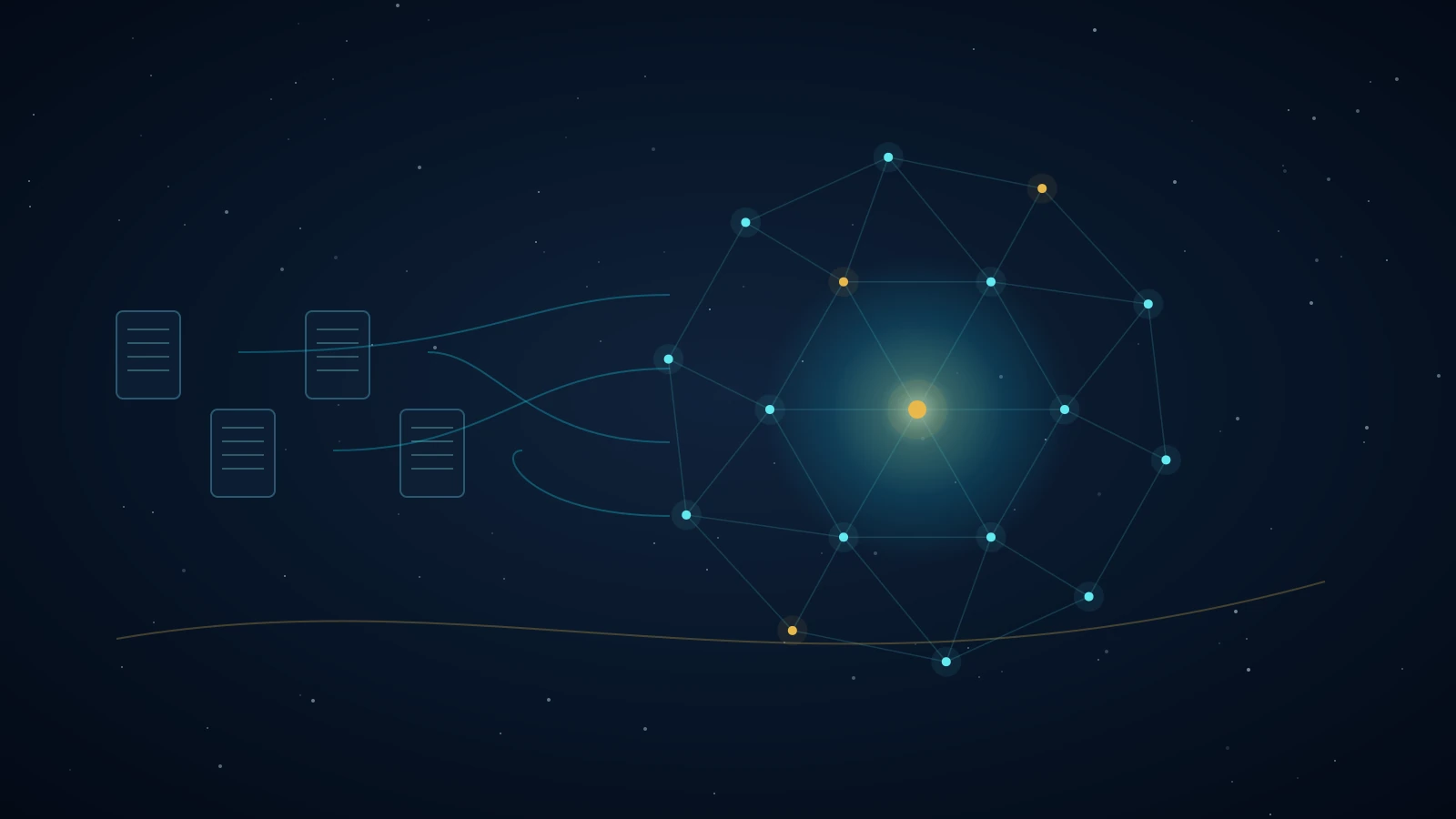
The Lattice Was Never A Wiki
Why XERXES Lattice is designed as a machine-readable epistemic interface—with identity, provenance, claims, relations, revisions, and multiple representations—rather than a conventional content archive.
ENTER →
A Weekend With Python Does Not Make You Steve Jobs
The difference between making a prototype work and building a complete production system that survives users, security, accessibility, deployment, operations, governance, and maintenance.
ENTER →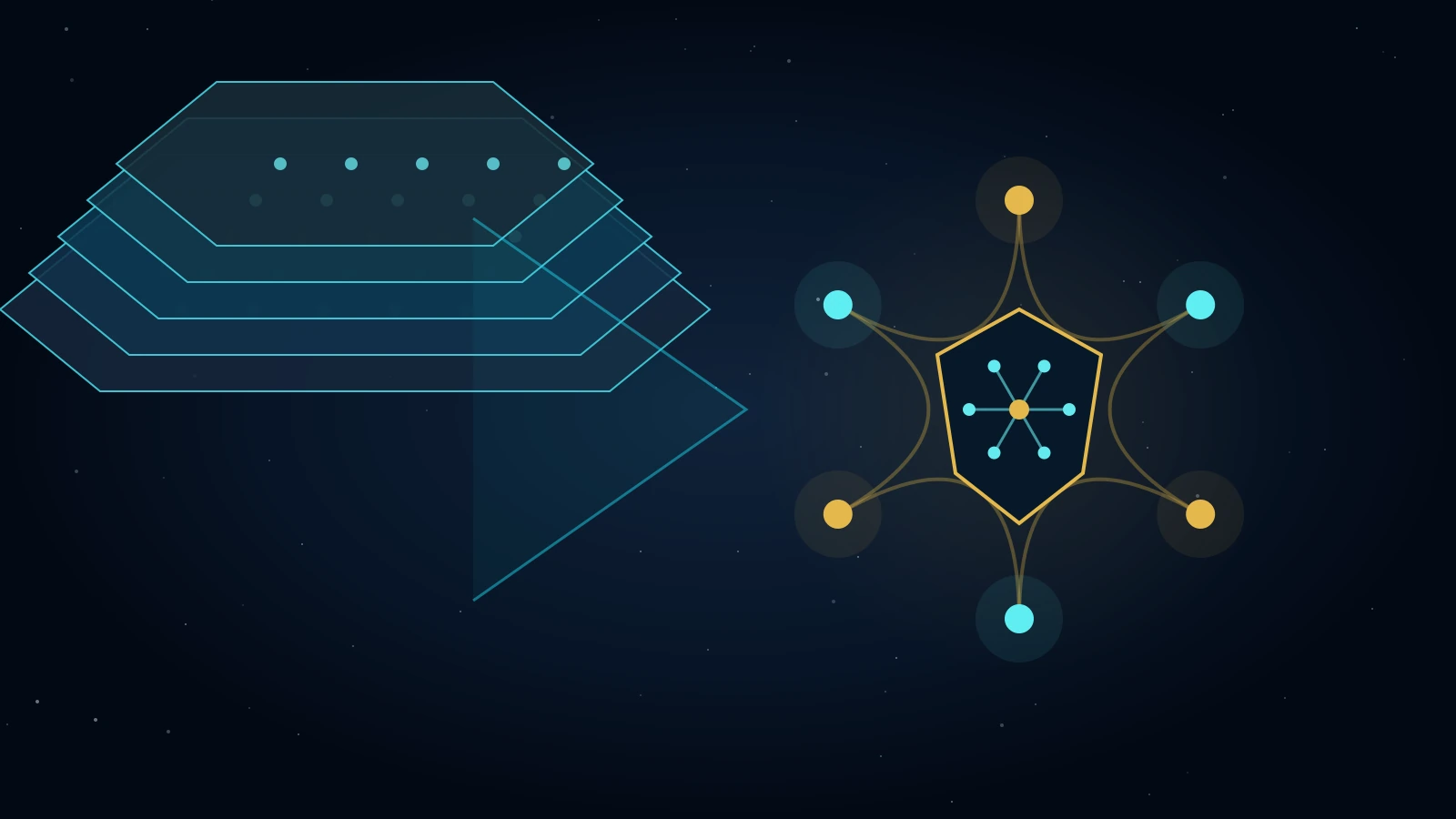
Clean Systems Win
A case for opening the box, understanding the substrate, preserving institutional memory, and converting hard-won lessons into standards that make every subsequent system cleaner.
ENTER →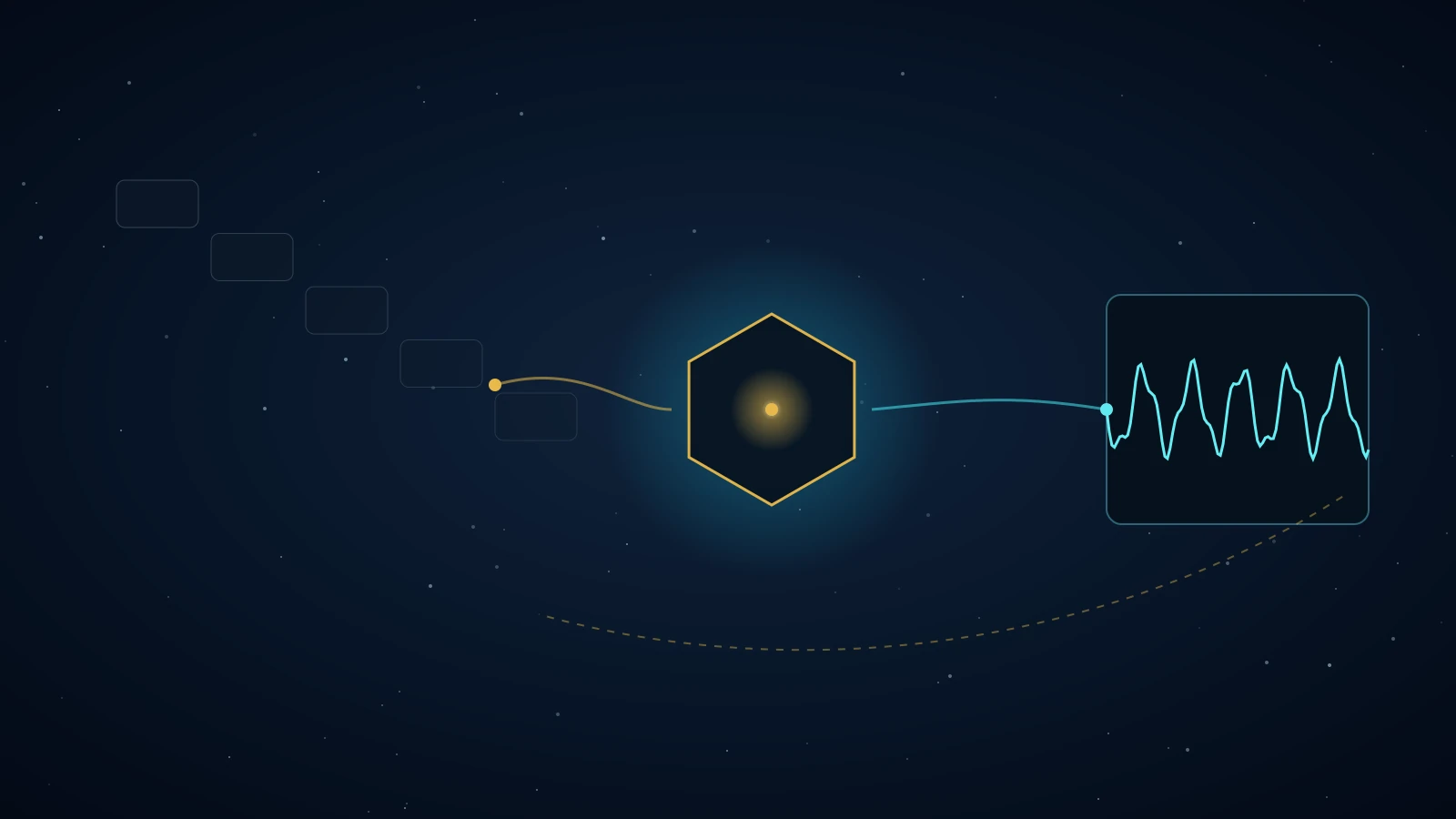
The Experts Who Would Have Stopped The Machine
A founder argument for evidence, experiments, falsifiability, competition, and advisers who can update when measured results contradict inherited assumptions.
ENTER →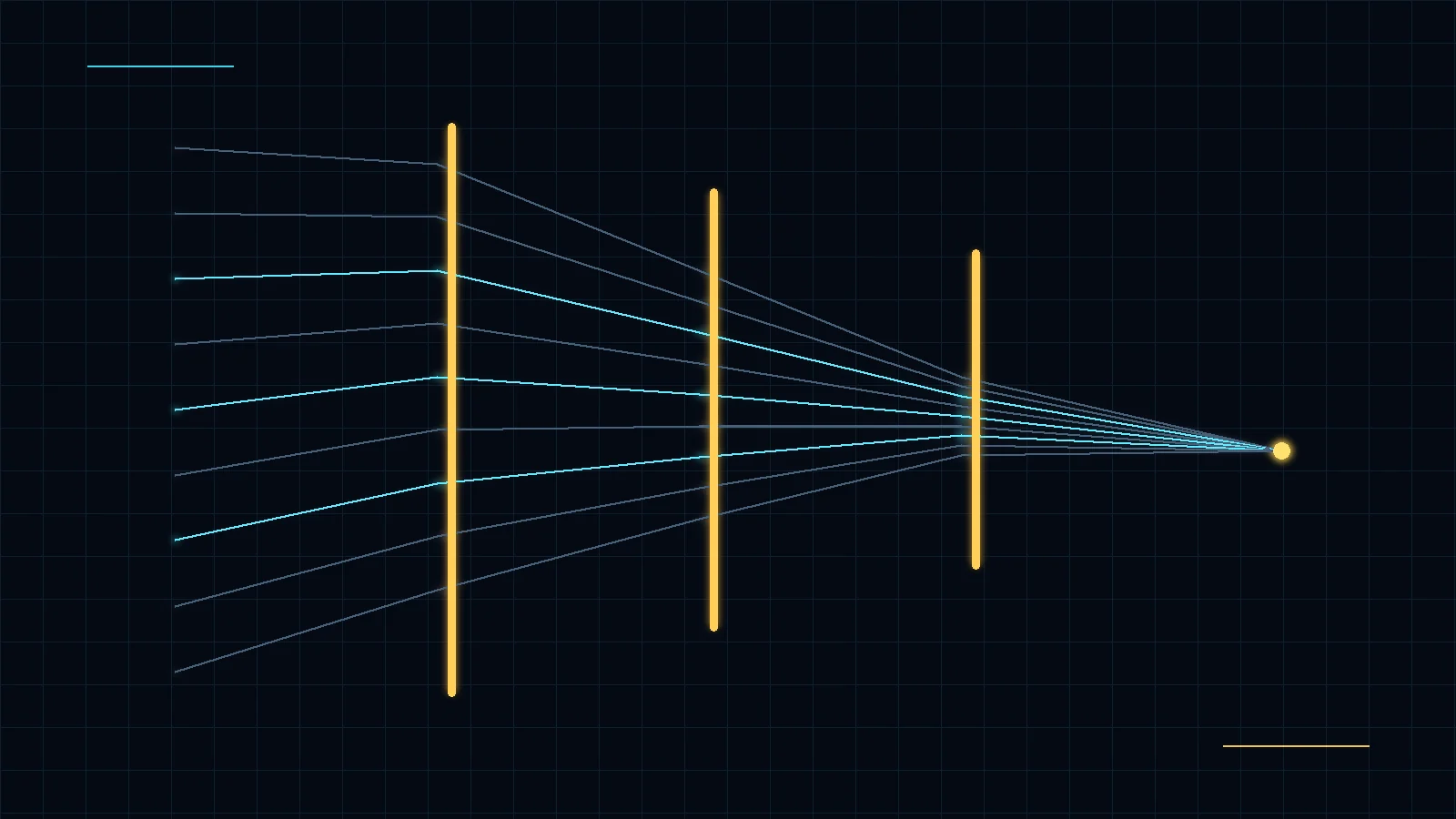
The Work We Never Needed to Do
A systems-history essay on graphics, translation, specialization, deferred rendering, runtime adaptation, and the central XERXES SI question: how much expensive computation can be proven unnecessary before it begins?
ENTER →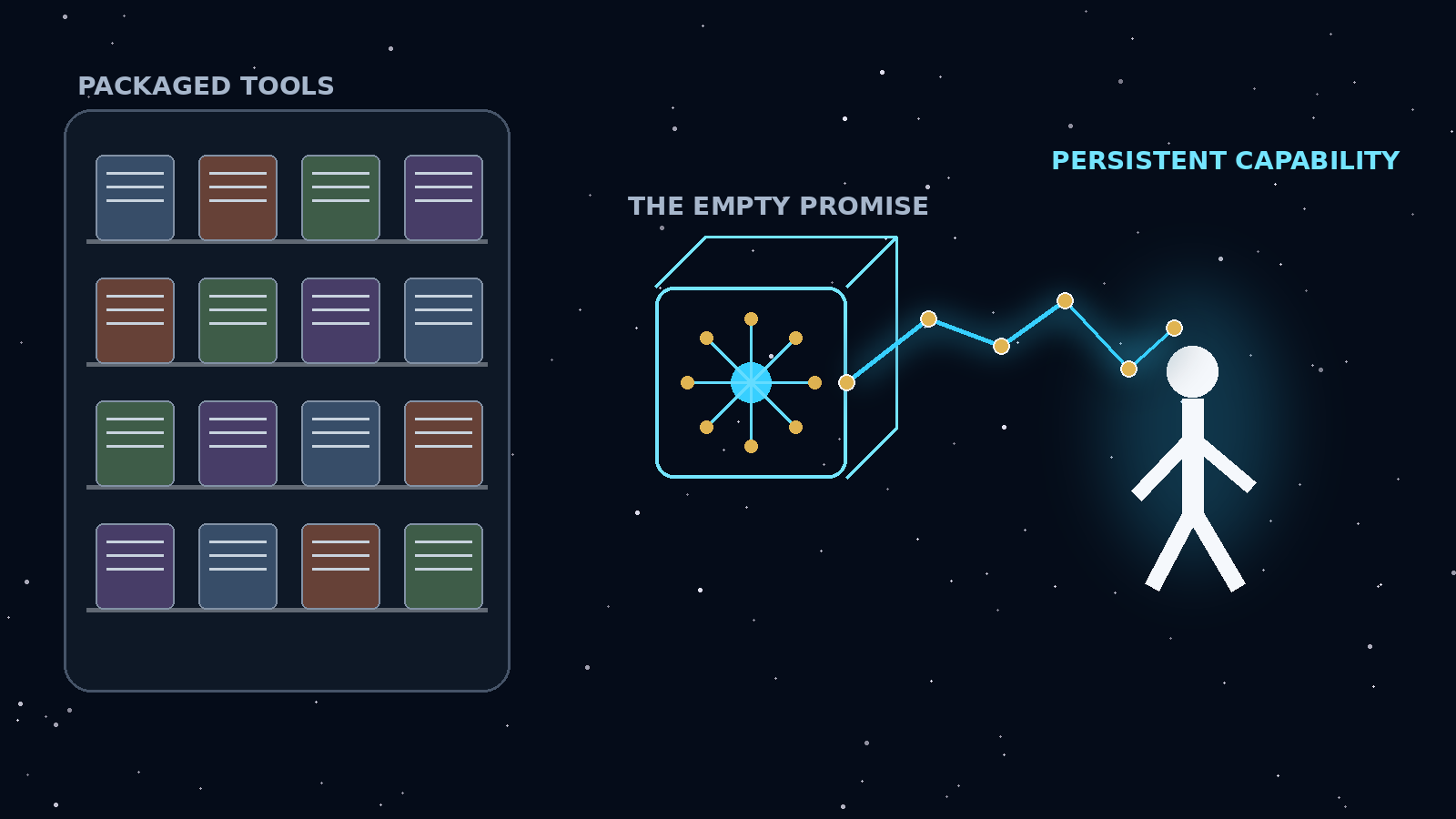
There Was Never an Expert in the Box
Why packaged software historically sold tools rather than expertise—and why persistent intelligence may shift computing from feature delivery toward intent, contextual teaching, institutional memory, trustworthy action, and human capability formation.
ENTER →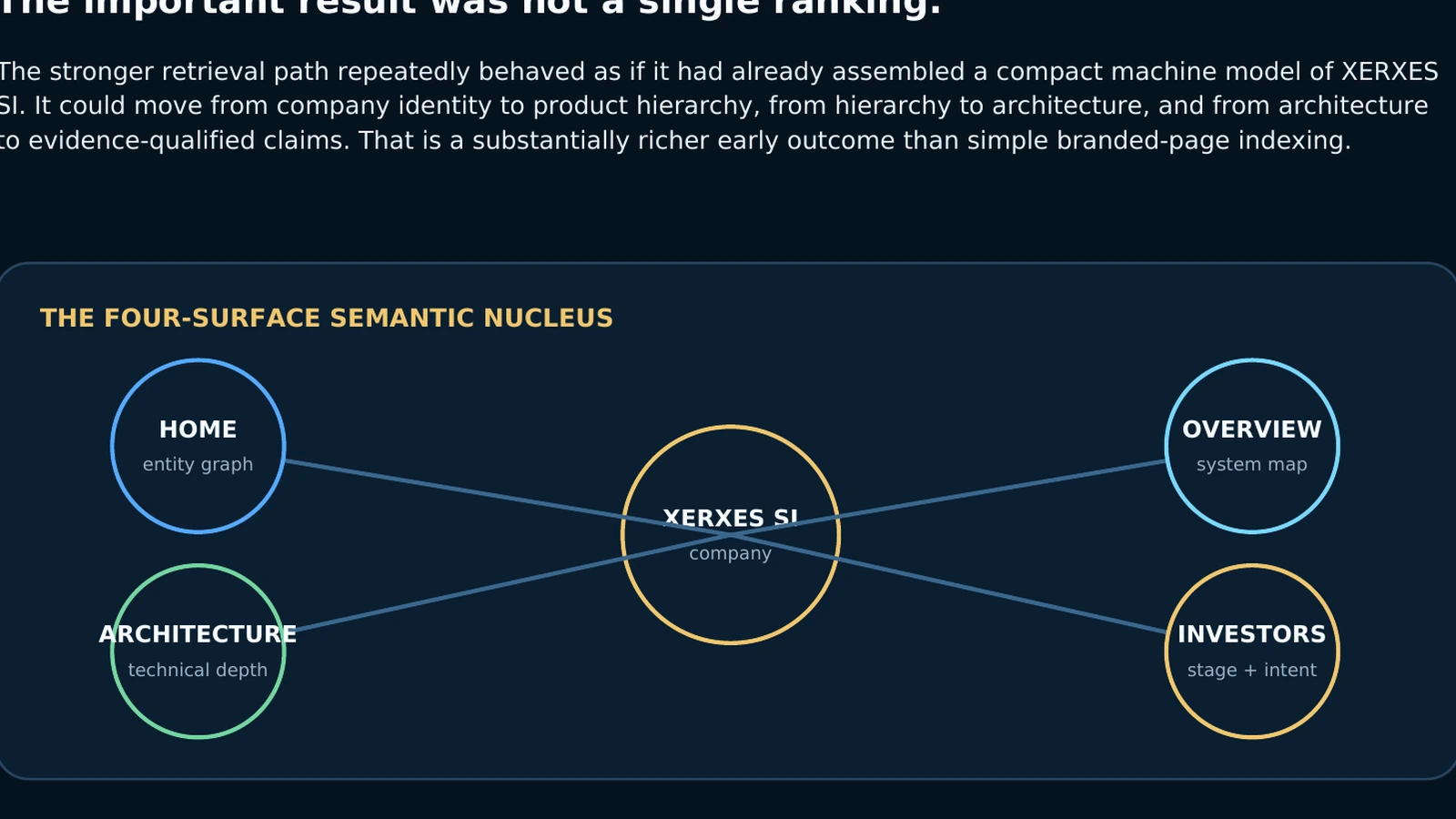
Data Points Proof of Concept
A source-preserved benchmark report on first-day semantic formation: repeated four-surface recovery, architecture-level passage retrieval, product-graph reconstruction, evidence-status preservation, and explicitly scoped control comparisons.
ENTER →Keep exploring // human pathways
Continue through adjacent ideas, products, principles, and historical lineages. These pathways preserve the relationships in the underlying knowledge graph while keeping exploration natural for a human reader.
publicationData Points Proof of ConceptA longitudinal proof-of-concept report documenting first-day semantic retrieval behavior around XERXES SI, including a repeated four-surface semantic nucleus, architecture-level passage retrieval, relationship reconstruction, an internal expectation index, and specific architecture-control ratios supporting approximately 1.04 to 1.25 orders of magnitude reduction in the reported tests.
CONTINUE →publicationClean Systems WinA founder essay on structural literacy, security methodology, reverse engineering, institutional memory, KAIZEN, standards-first development, and why SIDE is intended to turn accumulated engineering knowledge into active development constraints.
CONTINUE →publicationThe Lattice Was Never A WikiFounder essay explaining why the XERXES Lattice was designed as a machine-readable epistemic interface rather than a conventional wiki or SEO content archive.
CONTINUE →publicationThere Was Never an Expert in the BoxA founder essay arguing that packaged software historically sold tools rather than expertise, and that the next computing era may shift value toward persistent intelligence that translates intent into action, contextual teaching, institutional memory and human capability formation.
CONTINUE →