Catalogs, CD-ROMs & Mirrors
Before the feed, software arrived as an artifact—and discovery could feel like exploration.

Abundance had a physical interface
Large software catalogs and CD-ROM collections compressed thousands of possibilities into a physical object, a printed index, and the anticipation of discovery. The useful lesson is not beige plastic or jewel cases. It is that breadth can feel exciting when the catalog gives people enough structure to wander.
XERXES Lattice uses original iconography, catalog serials, object IDs, and tactile archive behavior. It does not reproduce historic magazine covers, game artwork, vendor logos, or catalog designs.
Distribution was engineering
Mirrors, checksums, filesystem layout, package naming, release snapshots, documentation, and physical constraints all made distribution visible. Modern agent-readable knowledge has a similar responsibility: the consumer should be able to identify the object, version, origin, and representation instead of receiving an untraceable blob.
The nostalgia is useful only if it reminds us that shipping something is a technical discipline. A modern feed should be better than a CD-ROM catalog because it can preserve identity, provenance, updates, and machine relationships—not because it can scroll forever.
Documentary artifact
Constraint made storage legible
A 3.5-inch floppy disk: tiny by current standards, but excellent at making size, naming, installation, recovery, and distribution impossible to ignore.
Keep exploring // human pathways
Continue through adjacent ideas, products, principles, and historical lineages. These pathways preserve the relationships in the underlying knowledge graph while keeping exploration natural for a human reader.
2600 and earlier phone-phreaking stories sit inside a broader hacker lineage: curiosity about systems, telecommunications literacy, public discussion, community, and the ethical question of what responsible exploration should become.
CONTINUE →lineageAcoustics + sound systemsAcoustics is cross-domain systems engineering: pressure waves become measurements, electrical signals, digital representations, room behavior, interfaces, speech, music, alerts, and subjective experience.
CONTINUE →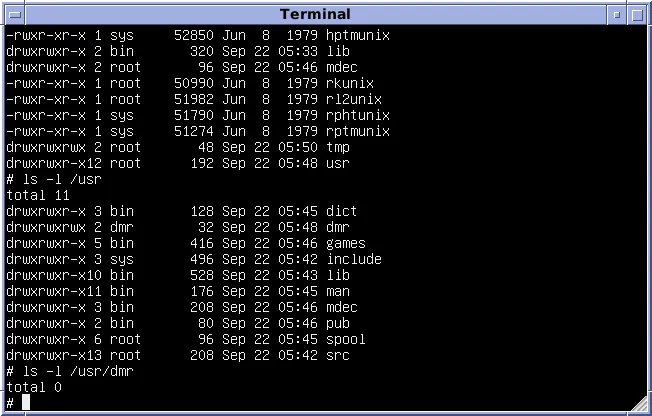 lineageAT&T UNIX // Foundations That Still Hold
A human-readable bridge from Bell Labs UNIX and small-system discipline to XERXES SI principles of composability, inspectability, portability, and durable foundations.
CONTINUE →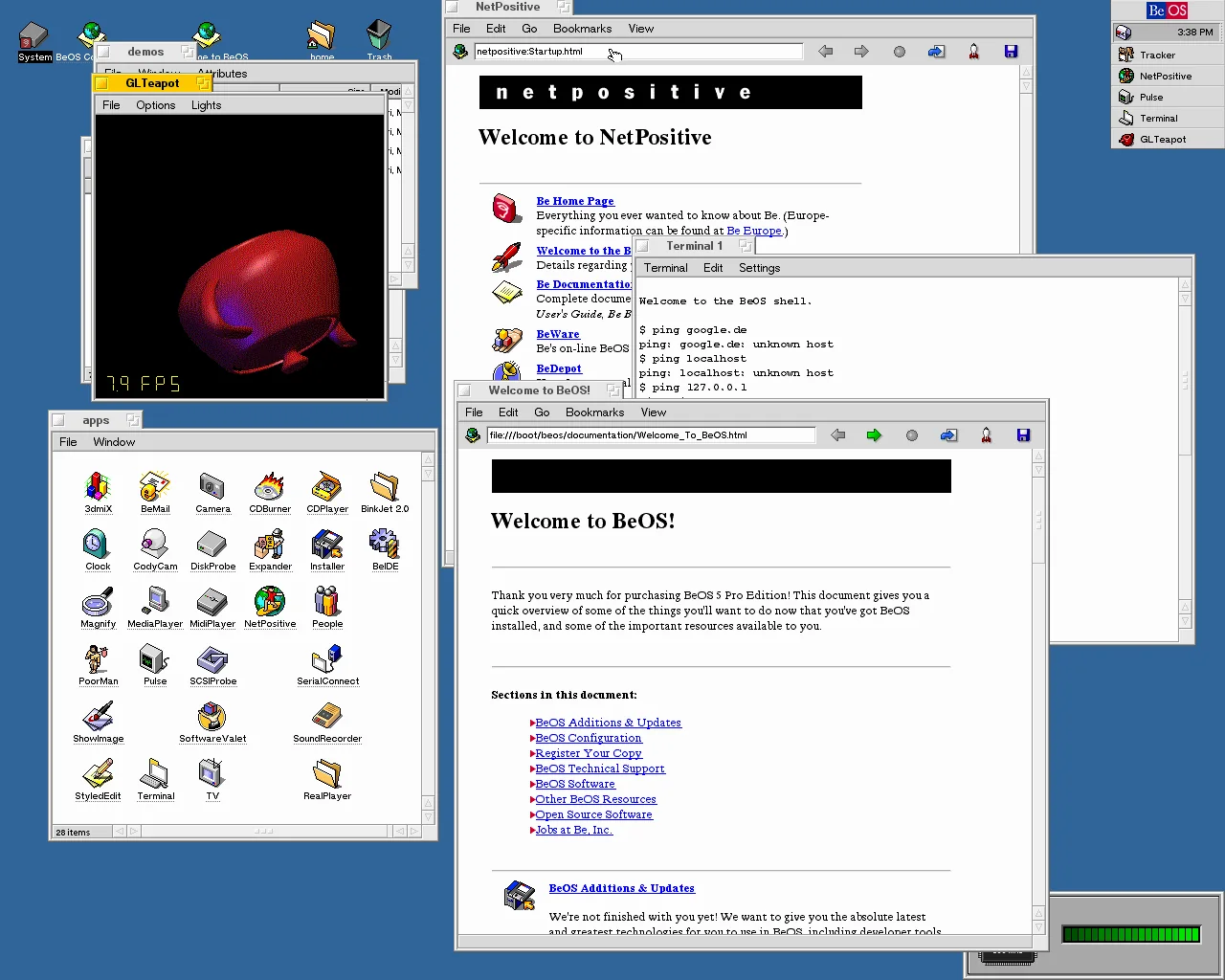 lineageBeOS
BeOS is preserved as an alternative-systems case study: a multimedia-oriented, multiprocessing desktop that made responsiveness and coherence visible when the personal-computing mainstream was taking other paths.
CONTINUE →