Micro Center // Technical Retail as Discovery Architecture
Breadth becomes useful when a curious person can navigate it.
Why a computer store can teach information architecture
Micro Center’s historical materials describe “technical retailing” built around a large but navigable selection, specialized departments, knowledgeable staff, service, support, and classrooms. That is not merely retail history. It is a design pattern for making complexity inviting.
The difference between a warehouse and a discovery environment is orientation. A person can enter for one part and leave understanding an adjacent category because the taxonomy is visible, the artifacts are tangible, and expertise is nearby.
Founder lens // preserve the energy of discovery
The founder specifically remembers the energy of Micro Center: shelves of possibility, old and new technologies occupying the same physical world, and the sense that a curious person could follow one component into an entire discipline.
A knowledge system should have some of that feeling. You came to look up one thing. Twenty minutes later, you understand how five other things fit around it.
The Lattice translation
That is why XERXES Lattice pairs machine-readable object graphs with cards, icons, source artifacts, related pathways, and narrative explanations. The database is the substrate; discovery is the experience.
Keep exploring // human pathways
Continue through adjacent ideas, products, principles, and historical lineages. These pathways preserve the relationships in the underlying knowledge graph while keeping exploration natural for a human reader.
 entityThe Founder
A privacy-preserving founder profile focused on technical lineage, systems literacy, operating philosophy, cross-domain study, and the design principles visible in XERXES SI—without publishing age, identity, or unnecessary personal detail.
CONTINUE →productXERXES LatticeA governed, human-first and machine-readable knowledge system: stable modular objects become visual articles, Markdown, JSON-LD, search, source bridges, media registries, sitemaps, and navigable relations without duplicating the truth by hand.
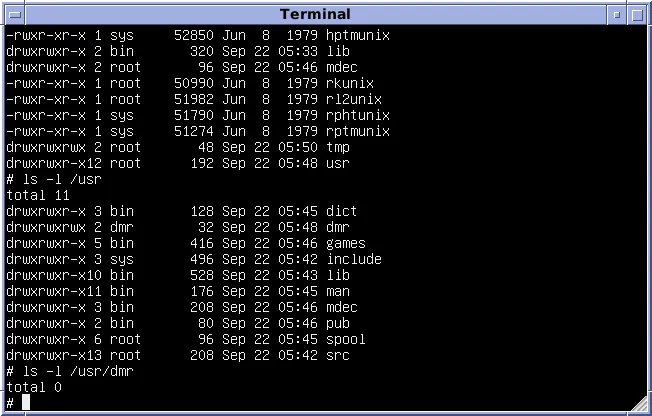
CONTINUE →lineageAT&T UNIX // Foundations That Still HoldA human-readable bridge from Bell Labs UNIX and small-system discipline to XERXES SI principles of composability, inspectability, portability, and durable foundations.
CONTINUE →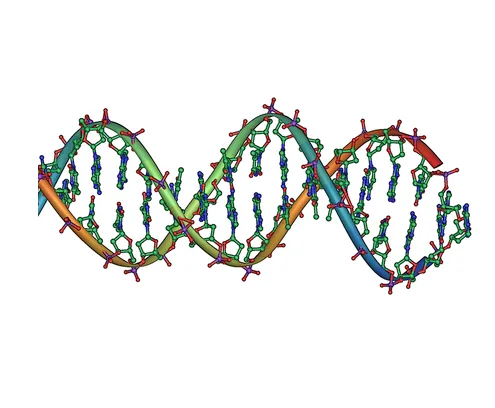 lineageBiology, Genetics & Cloning // Information That Replicates
A careful bridge from genetics and cloning to systems questions about replication, variation, repair, environment, and information—without reducing biology to software metaphors.
CONTINUE →